Can you go a full year without getting offended by someone or vice versa? I genuinely don’t think that is possible.
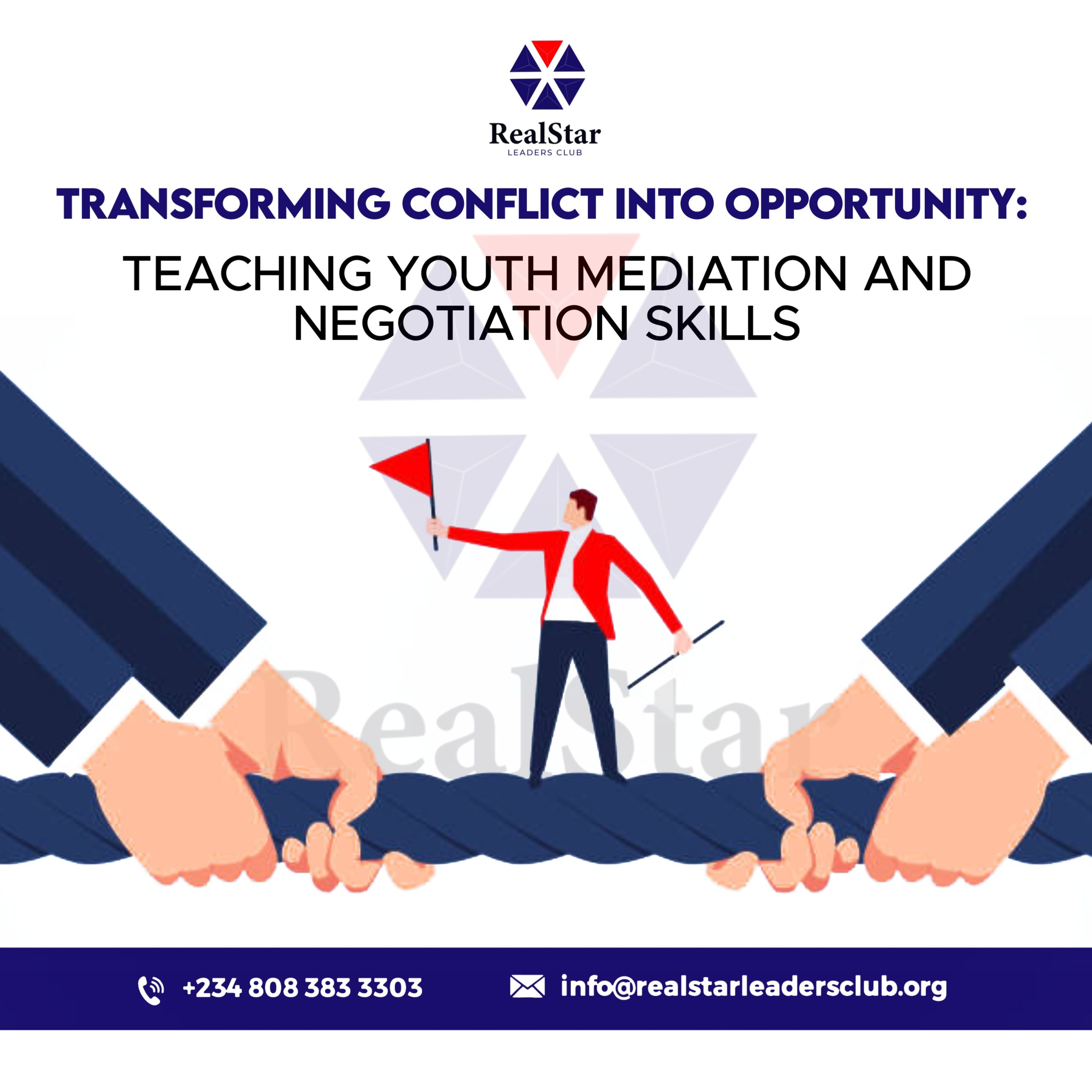
Conflicts are an inevitable part of life, and it’s essential for us to approach and handle them in ways that contribute to a peaceful future. By equipping today’s youth with mediation and negotiation skills, we have the power to empower them to view conflicts as opportunities for growth, understanding, and positive change.
In this blog post, we will delve into the significance of teaching these skills to young individuals, provide insightful examples to illustrate their impact, and offer practical steps for you to actively contribute to fostering a generation proficient in resolving conflicts peacefully.
Understanding the value of mediation and negotiation:
First and foremost it is important to understand the value of mediation and negotiation.
Conflict resolution skills become indispensable as you navigate personal relationships, workplaces, and communities. Mediation and negotiation skills enable individuals to find common ground, cultivate empathy, and craft win-win solutions. By instilling and building these skills in yourself and youths, we can help shape a mindset that embraces constructive problem-solving and prioritizes collaboration over confrontation.
Empathy and active listening:
The foundation of successful mediation and negotiation lies in empathy and active listening. It is crucial to encourage young people like yourself to develop empathy by intentionally stepping into others’ shoes, striving to understand different perspectives, and recognizing the underlying needs and interests of all parties involved.
Active listening skills, such as maintaining eye contact, asking open-ended questions, and paraphrasing, facilitate improved communication and a deeper understanding of each person’s unique point of view.
Teaching Effective Communication:
Effective communication is pivotal in resolving conflicts peacefully. By teaching youth how to express their thoughts and emotions assertively, without resorting to aggression or hostility, we empower them to engage in constructive dialogue.
Encouraging the use of “I” statements to express feelings and concerns, without blaming others, promotes a non-confrontational approach. Additionally, emphasizing the importance of non-verbal communication, body language, and tone of voice allows messages to be conveyed clearly and respectfully.
Exploring Conflict Resolution Strategies:
Introducing young individuals like yourself to various conflict resolution strategies, such as compromise, collaboration, and problem-solving, equips you with valuable tools. Being able to identify common interests, brainstorm creative solutions, and evaluate the pros and cons of different options, will enable you to adapt and approach various conflicts in a way that fosters positive outcomes.
Creating Opportunities for Practice:
We believe that active engagement is key to honing mediation and negotiation skills. Through simulated conflict scenarios or role-playing exercises, you can actively practice applying these skills in a safe and supportive environment.
This hands-on experience allows you to develop confidence, empathy, and problem-solving abilities, preparing you to tackle real-life conflicts.
Collaborating with Community Resources:
To enhance your learning experience and gain valuable insights into real-world conflict resolution scenarios, we encourage you to seek partnerships with local organizations or professionals specializing in conflict resolution. These resources can provide workshops or training sessions that offer expert guidance, tools, and techniques, enabling you to further develop your mediation and negotiation skills.
By investing in teaching youth like yourself mediation and negotiation skills, we are actively contributing to the creation of a future where conflicts are seen as opportunities for growth and positive change. As you cultivate empathy, effective communication, and problem-solving by investing in teaching youth like yourself mediation and negotiation skills, we are actively contributing to the creation of a future where conflicts are seen as opportunities for growth and positive change.
As you cultivate empathy, effective communication, and problem-solving abilities, you gain the power to navigate conflicts peacefully, bridge gaps between diverse perspectives, and become catalysts for harmony in your communities. Let us join hands in equipping the next generation, including yourself, with the necessary skills to transform conflicts into opportunities and shape a more peaceful world.
Remember, conflict resolution is not an isolated skill but a lifelong journey. As you continue to learn and practice mediation and negotiation skills, you will become better equipped to address conflicts with compassion, open-mindedness, and creativity. Your efforts will ripple beyond your immediate surroundings, inspiring others to embrace peaceful resolutions and contributing to a more harmonious and understanding society.
So, let us embark on this transformative journey together. Encourage your peers, educators, and community leaders to prioritize teaching mediation and negotiation skills to youth. Embrace the value of empathy, active listening, and effective communication in your daily interactions. Seek opportunities to practice and refine your conflict resolution abilities. And, most importantly, remember that conflicts can serve as catalysts for growth, understanding, and positive change.
Together, we can create a future where conflicts are seen not as barriers but as stepping stones toward a more peaceful and harmonious world. Start today, and be the driving force behind the transformation of conflicts into opportunities for a better tomorrow.